
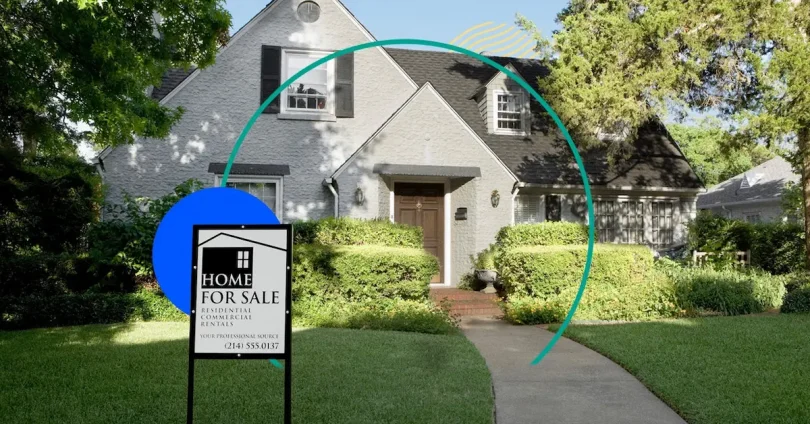

Buying a house is one of the most important decisions in life, and it can feel both exciting and overwhelming at the same time. For many people, especially first-time buyers, the process may seem confusing with so many steps, documents, and financial considerations involved. However, with the right guidance and a clear plan, buying a home can become a smooth and rewarding experience. how to buy a house step by step
In this step-by-step guide, you will learn everything you need to know—from understanding your budget and getting a loan to choosing the right property and completing the final paperwork. Whether you are planning to buy your first home or simply want to understand the process better, this guide will help you make smart and confident decisions.
Understand Your Financial Situation
Before you begin the home-buying journey, it’s essential to have a clear understanding of your financial situation. This step lays the foundation for all your future decisions and helps you avoid financial stress later. how to buy a house step by step
Review Your Income and Expenses
Start by analyzing your monthly income and expenses. List all sources of income and track where your money goes each month, including rent, groceries, bills, transport, and entertainment. This will help you understand how much you can realistically afford to spend on a house without affecting your daily lifestyle. how to buy a house step by step
Evaluate Your Savings
Savings play a key role in buying a house. You will need money for the down payment, closing costs, and other expenses like moving and basic home setup. It’s also important to keep some extra savings as an emergency fund to handle unexpected situations after buying your home. how to buy a house step by step
Check Your Existing Debts
If you have any ongoing loans, credit card balances, or other debts, consider them carefully. High debt can reduce your chances of getting a home loan or increase your interest rate. Try to pay off or reduce your debts before applying for a loan to improve your financial position. how to buy a house step by step
Understand Your Affordability
Once you review your income, expenses, savings, and debts, you can estimate how much you can afford to spend on a house. A good rule is to choose a home that allows you to comfortably manage monthly payments without financial pressure. how to buy a house step by step
Plan for Additional Costs
Buying a house involves more than just the purchase price. You also need to consider extra costs such as property taxes, maintenance, insurance, and utility bills. Planning for these costs in advance will help you avoid surprises later. how to buy a house step by step
By taking the time to understand your financial situation in detail, you can make smarter decisions, set a realistic budget, and move forward with confidence in your home-buying journey.
you may also like to read these posts;
Best Investment Property Deals: Smart Buying Guide
Low Price Plots for Sale Deals: Best Buying Guide
Affordable Homes for Sale Deals: Smart Buying Tips
Property Discount Offers Near Me: Best Savings Guide
Best Real Estate Deals Today: Smart Buying Guide
Set a Realistic Budget

Setting a realistic budget is one of the most important steps when buying a house. It helps you stay within your financial limits and prevents you from facing money problems in the future. A well-planned budget ensures that you can afford your home comfortably without sacrificing your daily needs. how to buy a house step by step
Decide Your Price Range
Based on your financial situation, decide how much you are willing to spend on a house. This should include not only what you can afford but also what you feel comfortable paying every month. Avoid choosing a house at the maximum limit of your budget, as it can create financial pressure later. how to buy a house step by step
Consider Monthly Payments
Think about how much you can pay monthly if you take a home loan. Your monthly payment should include loan installments, interest, and other related costs. Make sure it fits easily within your monthly income without affecting your basic living expenses.
Include Hidden and Extra Costs
Many buyers focus only on the property price, but there are several additional costs to consider. These may include registration fees, taxes, legal charges, maintenance, insurance, and utility bills. Including these in your budget will give you a more accurate picture of your total expenses. how to buy a house step by step
Keep a Financial Cushion
It’s always a good idea to leave some room in your budget for unexpected expenses. Emergencies can happen at any time, so having extra savings will help you manage your finances without stress. how to buy a house step by step
Avoid Over-Spending
Buying a bigger or more expensive house than you can afford may seem tempting, but it can lead to long-term financial problems. Stick to your budget and focus on what you truly need rather than what looks attractive.
By setting a realistic and well-planned budget, you can move forward with confidence, make better decisions, and enjoy the process of buying your home without unnecessary stress. how to buy a house step by step
Save for a Down Payment
Saving for a down payment is an important step in buying a house. It is the amount of money you pay upfront when purchasing a property, while the remaining amount is usually covered by a home loan. A higher down payment can reduce your loan amount and make your monthly payments more manageable. how to buy a house step by step
What is a Down Payment?
A down payment is typically a percentage of the total property price that you pay from your own savings. In many cases, it ranges from 10% to 20%, depending on the lender and your financial situation. how to buy a house step by step
Why It Matters
Paying a larger down payment has several benefits. It reduces the total loan you need, lowers your monthly installments, and may even help you get better interest rates from lenders. It also shows financial stability, which increases your chances of loan approval. how to buy a house step by step
Tips to Save for a Down Payment
- Set a savings goal: Decide how much you need and create a plan to reach that amount.
- Create a budget: Reduce unnecessary expenses and focus on saving more each month.
- Open a separate savings account: Keep your down payment savings separate to avoid spending it.
- Increase your income: Consider side work or freelance opportunities to boost your savings.
- Stay consistent: Even small monthly savings can grow over time with discipline. how to buy a house step by step
Plan Ahead
Start saving as early as possible so you have enough time to reach your goal without pressure. The earlier you begin, the easier it becomes to manage your finances and prepare for home ownership. how to buy a house step by step
By planning and saving wisely for your down payment, you can reduce financial stress and take a confident step toward buying your dream home.
Check and Improve Your Credit Score
Your credit score plays a very important role when buying a house, especially if you plan to take a home loan. It helps banks and lenders decide whether to approve your loan and what interest rate to offer you. A good credit score can save you money, while a low score can make borrowing more difficult. how to buy a house step by step
What is a Credit Score?
A credit score is a number that shows your financial reliability based on your past borrowing and repayment history. It reflects how responsibly you have managed loans, credit cards, and other financial obligations. how to buy a house step by step
Why Your Credit Score Matters
Lenders use your credit score to evaluate risk. A higher score means you are more likely to repay your loan on time, which can lead to faster approval and lower interest rates. On the other hand, a low score may result in higher interest rates or even loan rejection. how to buy a house step by step
How to Check Your Credit Score
You can check your credit score through banks, financial institutions, or online credit reporting services. It’s important to review your score before applying for a loan so you know where you stand. how to buy a house step by step
Tips to Improve Your Credit Score
- Pay bills on time: Always pay your loan installments and credit card bills before the due date.
- Reduce outstanding debt: Try to pay off existing loans or keep your credit card balance low.
- Avoid multiple loan applications: Applying for too many loans in a short time can lower your score.
- Maintain a good credit history: Keep older accounts active to show a long and stable credit record. how to buy a house step by step
Start Early
Improving your credit score takes time, so it’s best to start working on it well before you plan to buy a house. Even small improvements can make a big difference in the loan terms you receive. how to buy a house step by step
By maintaining a healthy credit score, you increase your chances of getting a home loan easily and at better terms, making your home-buying journey smoother and more affordable.
Get Pre-Approved for a Home Loan
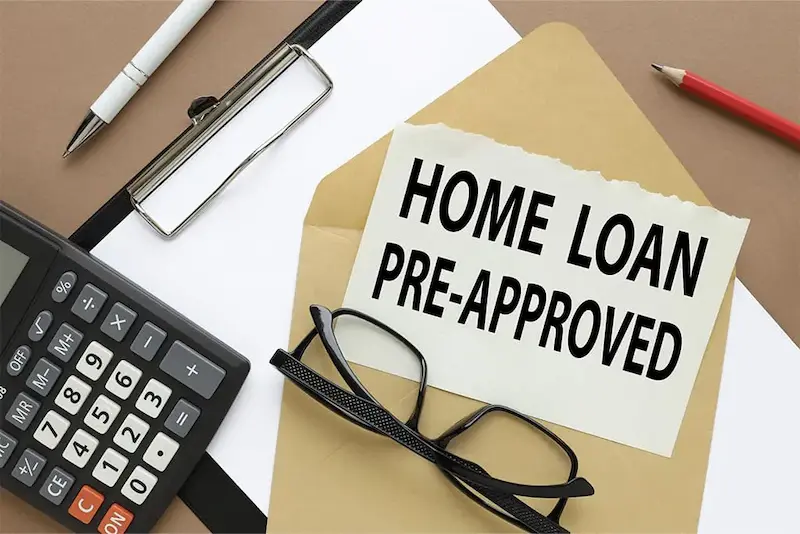
Getting pre-approved for a home loan is an important step before you start searching for a house. It means a bank or lender has reviewed your financial situation and is willing to lend you a certain amount of money. This gives you a clear idea of your budget and makes you a more serious buyer in the eyes of sellers. how to buy a house step by step
What is Pre-Approval?
Pre-approval is a process where the lender checks your income, credit score, debts, and financial history to determine how much loan you can qualify for. After evaluation, they provide a pre-approval letter stating the loan amount they are willing to offer. how to buy a house step by step
Why Pre-Approval is Important
Getting pre-approved has many advantages. It helps you understand your price range, saves time during house hunting, and increases your chances of closing a deal quickly. Sellers are more likely to trust buyers who already have loan approval in place. how to buy a house step by step
Documents You May Need
To get pre-approved, you usually need to provide:
- Proof of income (salary slips or business income records)
- Bank statements
- Identification documents
- Credit history details
- Information about existing loans or debts
Tips for a Smooth Process
- Keep your financial documents ready and organized
- Avoid taking new loans or making large purchases during this time
- Compare different lenders to find the best interest rates and terms
- Be honest and accurate with your financial information
Stay Within Your Limit
Even if you are approved for a higher loan amount, it’s wise to borrow only what you can comfortably repay. This will help you manage your finances better in the long run.
By getting pre-approved for a home loan, you make the home-buying process faster, easier, and more efficient, allowing you to search for your dream home with confidence.
How much money do I need to buy a house?
You usually need a down payment of 10–20% of the property price, plus extra costs like taxes, registration fees, and moving expenses.
What is the first step in buying a house?
The first step is understanding your financial situation, including your income, expenses, savings, and debts. This helps you decide how much you can afford.
How long does it take to buy a house?
It can take a few weeks to several months, depending on how quickly you find a property, get loan approval, and complete the paperwork.
Conclusion
Buying a house is a major milestone, and following a step-by-step approach makes the process much easier and less stressful. By understanding your finances, setting a realistic budget, saving for a down payment, checking your credit score, getting pre-approved for a loan, and carefully selecting the right property, you can make informed decisions and avoid common pitfalls.
Remember to consider additional costs, conduct property inspections, and complete all legal paperwork carefully. With patience, planning, and consistency, you can confidently purchase your dream home and enjoy the benefits of owning your own property. Start early, stay organized, and take each step one at a time to make your home-buying journey smooth and successful.


