


Buying your first home is an exciting milestone, but it can also feel overwhelming. There are many factors to consider, from understanding your finances and choosing the right location to navigating loans, inspections, and legal paperwork. For beginners, the process may seem complicated, but with careful planning and the right guidance, it can be much simpler and more rewarding. home buying tips for beginners
This guide provides practical tips for first-time home buyers, helping you make smart decisions, avoid common mistakes, and confidently navigate each step of the home-buying journey. Whether you are searching for your dream home or preparing financially, these tips will give you the knowledge and confidence to take the next step toward home ownership.
Know Your Budget
Before you start searching for a home, it’s essential to understand your budget. Knowing how much you can afford helps you avoid overspending and ensures you can manage monthly payments comfortably. home buying tips for beginners
Review Your Income and Expenses
Start by looking at your monthly income and all your regular expenses, such as rent, bills, groceries, transportation, and other commitments. This will give you a clear picture of how much you can allocate toward a home purchase each month. home buying tips for beginners
Consider Additional Costs
The price of the house is not the only expense. Remember to include property taxes, insurance, maintenance, and utility bills in your calculations. Planning for these costs upfront will prevent financial surprises later. home buying tips for beginners
Set a Comfortable Price Range
Once you understand your finances, determine a price range for your home. It’s best to stay slightly below your maximum limit so that you have room for unexpected expenses or emergencies. home buying tips for beginners
By setting a realistic budget early, you can focus your search on homes you can truly afford and make the home-buying process smoother and less stressful. home buying tips for beginners
Save for a Down Payment

Saving for a down payment is one of the most important steps when buying a home. A down payment is the upfront money you pay for the house, while the remaining amount is usually covered by a home loan. home buying tips for beginners
How Much Do You Need?
Typically, a down payment ranges from 10% to 20% of the home’s purchase price, depending on your lender and loan type. A higher down payment can lower your monthly mortgage payments and may even help you get a better interest rate. home buying tips for beginners
Tips for Saving
- Set a clear goal: Decide how much you need and create a timeline to reach it.
- Open a separate account: Keep your down payment savings separate to avoid spending it accidentally.
- Cut unnecessary expenses: Reduce discretionary spending and focus on saving more each month.
- Increase income: Consider part-time work, freelance opportunities, or side projects to boost savings.
- Stay consistent: Even small monthly contributions can add up significantly over time. home buying tips for beginners
Why It Matters
A solid down payment reduces your loan amount, lowers monthly payments, and shows lenders that you are financially responsible. It also helps you handle additional costs, such as closing fees, moving expenses, and initial home setup. home buying tips for beginners
By planning and saving carefully for your down payment, you can enter the home-buying process with confidence and a clear financial plan. home buying tips for beginners
Check Your Credit Score
Your credit score is one of the most important factors when buying a home. Lenders use it to decide whether to approve your loan and what interest rate to offer you. A higher score can help you get better loan terms, saving you money over the life of your mortgage. home buying tips for beginners
What is a Credit Score?
A credit score is a number that reflects how well you manage debt and repay loans. It’s based on your credit history, including credit cards, personal loans, and other debts. home buying tips for beginners
Why It Matters
A good credit score shows lenders that you are financially responsible. This increases your chances of loan approval and may help you get lower interest rates. On the other hand, a low score can lead to higher interest rates or even loan rejection. home buying tips for beginners
Tips to Improve Your Credit Score
- Pay bills on time: Avoid late payments on credit cards, loans, and other bills.
- Reduce outstanding debt: Pay down existing loans and keep credit card balances low.
- Avoid multiple loan applications: Applying for several loans in a short time can lower your score.
- Maintain old accounts: Keeping long-term accounts active improves your credit history.
Start Early
Improving your credit score takes time, so check it early and make improvements well before applying for a home loan. Even small positive changes can have a big impact on your loan approval and interest rates. home buying tips for beginners
By keeping your credit score healthy, you increase your chances of getting a home loan easily and at favorable terms, making your first home purchase smoother and more affordable. home buying tips for beginners
Get Pre-Approved for a Home Loan
Getting pre-approved for a home loan is an important step before you start house hunting. It shows how much a lender is willing to lend you and helps you understand your budget. Pre-approval also makes you a more serious buyer in the eyes of sellers.
What is Pre-Approval?
Pre-approval is a process where a bank or lender reviews your financial situation—including income, debts, and credit score—and determines the maximum loan amount you qualify for. You receive a pre-approval letter that shows sellers you are financially prepared. home buying tips for beginners
Why Pre-Approval Matters
- Know your budget: Helps you focus on homes you can actually afford.
- Strengthen your offer: Sellers prefer buyers who are pre-approved.
- Speed up the process: Once you find a home, the loan process moves faster.
Documents You May Need
- Proof of income (salary slips, bank statements)
- Identification documents (passport, ID card)
- Details of existing debts and loans
- Credit report home buying tips for beginners
Tips for a Smooth Pre-Approval
- Keep financial documents organized
- Avoid taking new loans or making large purchases during this time
- Be honest and accurate about your financial information
- Compare lenders to find the best interest rates and terms
Getting pre-approved for a home loan gives you confidence, clarity, and a stronger position when negotiating your first home purchase.
Choose the Right Location
Choosing the right location is one of the most important decisions when buying a home. The location affects your lifestyle, convenience, and even the long-term value of your property.
Factors to Consider
- Proximity to work and schools: Shorter commutes save time and reduce stress.
- Access to amenities: Check for nearby supermarkets, hospitals, banks, and shopping centers.
- Safety and security: Research crime rates and the overall safety of the neighborhood.
- Public transport and connectivity: Good connectivity makes daily life easier.
- Future development: Look for areas with potential growth to ensure your property retains or increases its value.
Tips for Choosing a Location
- Visit the area at different times of the day to get a real feel for traffic, noise, and activity.
- Talk to residents to understand the community and lifestyle.
- Consider your long-term needs—schools, career, and family plans may affect your choice.
Why Location Matters
A good location can improve your quality of life and make your home a smart long-term investment. Even if the house itself is perfect, a poor location can affect convenience, safety, and resale value.
By carefully evaluating the location before buying, you can ensure that your new home meets both your lifestyle needs and long-term goals.
you may also like to read these posts;
Best Investment Property Deals: Smart Buying Guide
Low Price Plots for Sale Deals: Best Buying Guide
Affordable Homes for Sale Deals: Smart Buying Tips
Property Discount Offers Near Me: Best Savings Guide
Best Real Estate Deals Today: Smart Buying Guide
Make a List of Must-Haves
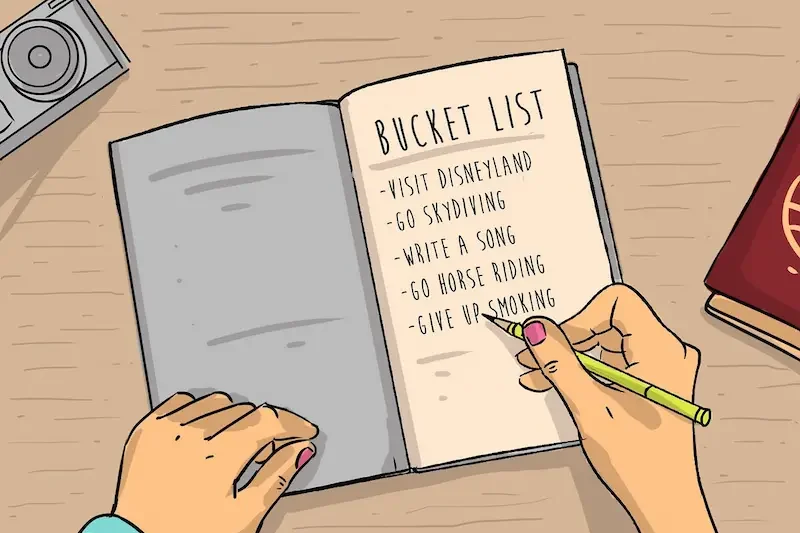
Before you start visiting properties, it’s important to know what you really need in a home. Creating a list of “must-haves” versus “nice-to-haves” helps you focus on properties that meet your essential needs and avoids wasting time on unsuitable homes.
Identify Your Priorities
Think about the features that are most important to you and your family, such as:
- Number of bedrooms and bathrooms
- Outdoor space or garden
- Parking space or garage
- Proximity to schools or workplaces
- Storage space and room for future growth
Differentiate Between Must-Haves and Nice-to-Haves
- Must-haves: Essential features you cannot compromise on, like a minimum number of bedrooms or safe neighborhood.
- Nice-to-haves: Features that are desirable but not necessary, like a swimming pool or luxury finishes.
Benefits of Making a List
- Saves time by narrowing down your search
- Makes it easier to compare different properties
- Helps you make clear decisions during negotiations
By knowing what is essential for your lifestyle, you can stay focused, avoid distractions, and make smarter choices when choosing your first home.
How much should I save for my first home?
You typically need a down payment of 10–20% of the property price, plus extra funds for closing costs, moving, and initial home setup.
What is the first step in buying a home?
The first step is understanding your finances, including your income, expenses, savings, and debts. This helps you determine how much you can afford.
Do I need a good credit score to buy a house?
Yes, a higher credit score improves your chances of loan approval and may help you get a lower interest rate.
Conclusion
Buying your first home is an exciting milestone, but it can feel overwhelming without proper planning. By understanding your finances, setting a realistic budget, saving for a down payment, checking your credit score, getting pre-approved for a loan, and carefully choosing the right location, you can make informed and confident decisions.
Creating a list of must-haves, visiting properties, conducting inspections, and completing legal paperwork are all essential steps to ensure a smooth and successful purchase. With patience, careful research, and smart planning, your dream of owning a home can become a reality. Start early, stay organized, and take each step one at a time to make your home-buying journey enjoyable and stress-free.


