

Buying your first property is an exciting milestone, but it can also feel overwhelming. From finding the right location to understanding financing, loans, inspections, and legal paperwork, there are many steps to consider. Without proper planning, first-time buyers may make mistakes that can be costly or stressful. guide to buying first property
This guide is designed to simplify the process and help beginners make confident decisions. You will learn step-by-step tips for assessing your finances, choosing the right property type and location, conducting inspections, handling legal formalities, and completing the purchase. By following this guide, you can turn the complex process of buying your first property into a smooth and successful experience.
Assess Your Finances
Before you begin searching for your first property, understanding your financial situation is the most important step. A clear picture of your finances ensures that you make a purchase you can comfortably afford and avoid future financial stress.
Review Your Income and Expenses
Start by listing your total monthly income from all sources. Then, account for all recurring expenses, including rent, bills, groceries, transportation, insurance, and existing debts. This will help you understand how much you can realistically spend on a property.
Set a Budget for Your First Property
Determine a comfortable budget for your property by considering:
- Down payment: Usually 10–20% of the property price guide to buying first property
- Monthly mortgage: Ensure it fits within your budget without affecting essential expenses
- Additional costs: Closing fees, registration charges, property taxes, and moving costs
Save Strategically
- Open a separate savings account specifically for your down payment
- Automate monthly transfers to steadily grow your savings guide to buying first property
- Reduce discretionary spending to boost savings faster
Check and Improve Your Credit Score
A good credit score improves your chances of getting approved for a home loan and may qualify you for better interest rates.
- Pay all bills and debts on time
- Keep credit card balances low
- Avoid taking new loans before applying for a mortgage guide to buying first property
Plan for Emergencies
Even after buying your property, you’ll need a financial cushion for unexpected repairs, maintenance, or emergencies. Having savings set aside ensures that your investment doesn’t become a financial burden. guide to buying first property
By thoroughly assessing your finances, setting a realistic budget, saving strategically, and planning for emergencies, you create a strong foundation for a smooth and stress-free first property purchase. guide to buying first property
you may also like to read these posts;
Best Investment Property Deals: Smart Buying Guide
Low Price Plots for Sale Deals: Best Buying Guide
Affordable Homes for Sale Deals: Smart Buying Tips
Property Discount Offers Near Me: Best Savings Guide
Best Real Estate Deals Today: Smart Buying Guide
Understand Property Types
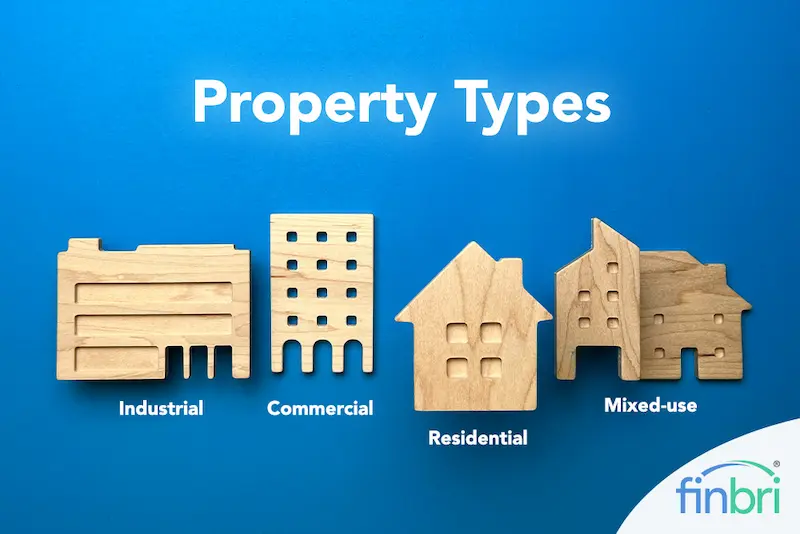
Before buying your first property, it’s important to understand the different types of properties available. Each type has its own benefits, costs, and maintenance requirements, so choosing the right one for your lifestyle and budget is essential. guide to buying first property
Common Property Types
- Apartments/Flats
- Usually part of a larger building or complex
- Often come with shared amenities like gyms, pools, and security
- Easier to maintain, but may have monthly maintenance fees guide to buying first property
- Independent Houses
- Standalone properties with full ownership of the land and structure
- More privacy and freedom to modify the property
- Requires more maintenance and often costs more upfront guide to buying first property
- Townhouses/Row Houses
- Shared walls with neighboring houses but usually include small yards
- Offer a balance between apartment living and independent houses
- May include community facilities depending on the development
- Condominiums (Condos)
- Similar to apartments but with individual ownership of units
- Shared maintenance and facilities, often in gated communities
- Good for people looking for security and low maintenance
Factors to Consider
- Lifestyle: Do you prefer privacy or a community living environment?
- Maintenance: Consider the time and cost required to maintain the property.
- Budget: Some property types have higher upfront costs or monthly fees. guide to buying first property
- Future Value: Think about resale value and long-term investment potential.
Helpful Tips
- Make a list of what’s important for you: space, amenities, privacy, or community
- Visit different property types to see what feels most comfortable
- Compare costs, maintenance, and long-term benefits before deciding
Understanding property types helps you make a choice that fits your lifestyle, budget, and future goals, making your first property purchase smarter and more satisfying. guide to buying first property
Get Pre-Approved for a Loan
Before actively searching for your first property, getting pre-approved for a home loan is one of the smartest steps you can take. Pre-approval is essentially a lender’s written commitment stating how much they are willing to lend you based on your financial profile. It provides clarity on your budget and strengthens your position as a serious buyer.
What is Pre-Approval?
Pre-approval is a detailed review by a bank or lender of your financial health. They evaluate your income, savings, debts, and credit score to determine how much you qualify to borrow. After approval, you receive a pre-approval letter or certificate, which you can show to sellers to demonstrate that you’re financially ready to buy. guide to buying first property
Benefits of Pre-Approval
- Set a Realistic Budget: Knowing your approved loan amount helps you focus only on properties within your financial reach.
- Show Sellers You’re Serious: Sellers are more likely to negotiate or accept offers from pre-approved buyers. guide to buying first property
- Speed Up Loan Process: Once you find a property, loan approval is quicker because much of the financial verification is already done.
- Avoid Disappointment: Helps prevent falling in love with a property you cannot afford.
- Better Negotiation Power: A pre-approved buyer is often more trusted in competitive markets. guide to buying first property
Documents Typically Required
- Proof of Income: Salary slips, bank statements, or business income proof for self-employed buyers
- Identification: Passport, national ID, or driver’s license
- Credit Information: Credit history or credit report
- Debt Details: Existing loans, credit cards, or other financial obligations guide to buying first property
Additional Tips for Pre-Approval
- Organize Your Finances: Keep bank statements, salary slips, and ID documents ready
- Check Your Credit Score: A higher credit score may get you better interest rates
- Avoid Large Purchases: Don’t take new loans or make big purchases before pre-approval guide to buying first property
- Compare Lenders: Different banks offer varying interest rates and loan terms—choose the best deal
- Be Transparent: Accurately report your income and debts to avoid delays or rejection
Final Advice
Getting pre-approved isn’t just a formality—it’s a strategic move. It gives you confidence, helps narrow down your property search, and positions you as a serious buyer in the eyes of sellers. For first-time buyers, pre-approval is an essential step toward a smooth and successful property purchase. guide to buying first property
Choose the Right Location
Choosing the right location is one of the most important decisions when buying your first property. Even if the house is perfect, a poor location can affect your daily life, convenience, and long-term investment value. guide to buying first property
Factors to Consider
- Proximity to Work and School
A shorter commute saves time, reduces stress, and improves your daily routine. Check travel times during peak hours to get a realistic idea. - Safety and Security
Living in a safe neighborhood is crucial for peace of mind. Research crime rates, talk to local residents, and observe the area at different times of the day. guide to buying first property - Access to Amenities
Consider essential services like grocery stores, hospitals, banks, parks, and schools. Easy access to these facilities makes everyday life more convenient. guide to buying first property - Transportation and Connectivity
Good connectivity to public transport, main roads, and highways ensures you can travel easily for work, school, or leisure. - Future Growth and Development
Research upcoming infrastructure projects, new schools, or shopping centers. A growing area can increase your property value over time. - Neighborhood Quality
Check noise levels, cleanliness, community environment, and local culture. Choose a neighborhood that fits your lifestyle and values. guide to buying first property
Helpful Tips
- Visit the location multiple times at different times of the day
- Talk to neighbors to understand their experience living there
- Use online maps and local resources to check distances and amenities
- Balance your current needs with future plans
Choosing the right location ensures that your property not only meets your present lifestyle needs but also grows in value as an investment. A good location enhances comfort, convenience, and long-term satisfaction.
Make a List of Must-Haves
Before you start visiting properties, it’s important to clearly define what you need versus what would be nice to have. Making a list of must-haves helps you stay focused, compare properties effectively, and avoid distractions during your search.
Essential Features to Consider
- Number of Bedrooms and Bathrooms: Ensure it meets your current and near-future needs
- Parking Space: Consider how many vehicles you have and visitor parking options
- Outdoor Space: Gardens, balconies, or patios for recreation and relaxation
- Storage Space: Closets, cabinets, or additional storage rooms
- Accessibility: Ground-floor options or elevator access if needed
Optional Features (Nice-to-Have)
- Swimming pool, gym, or clubhouse
- Modern kitchen or high-end appliances
- Extra rooms for guests or home office
- Views, landscaping, or aesthetic appeal
Helpful Tips
- Prioritize your list: mark what is non-negotiable and what is flexible
- Consider future needs like family growth or work-from-home space
- Avoid overloading your list with luxury features that aren’t necessary
- Use your list during property visits to objectively compare options
By clearly defining your must-haves, you can focus on properties that truly fit your needs and avoid wasting time on unsuitable options. This approach makes your first property search more organized and stress-free.
How much should I save for my first property?
Typically, you should save 10–20% of the property price for a down payment, plus extra for closing costs, registration fees, and moving expenses.
Do I need a pre-approved loan before searching for a property?
Yes, pre-approval helps you understand your budget, speeds up the buying process, and shows sellers that you’re a serious buyer.
How do I choose the best location for my first property?
Consider commute, safety, amenities, neighborhood quality, access to schools and hospitals, and future development in the area.
Conclusion
Buying your first property is a major milestone and a long-term investment, but it doesn’t have to be overwhelming. By following a step-by-step approach, you can make the process simple, organized, and stress-free.
Start by assessing your finances, understanding property types, and getting pre-approved for a loan. Then, carefully choose the right location, make a list of must-have features, visit and compare properties, conduct inspections, and complete all legal and paperwork requirements. Each step ensures that your purchase is safe, smart, and suited to your lifestyle.
With careful planning, research, and patience, you can confidently buy your first property, secure a home that meets your needs, and make a sound investment for the future.


